Key Takeaways:
-
Governments, employers, and funders are actively calling for skills-based systems, learner mobility, and stronger alignment between education and workforce, meaning digital credentials are no longer optional.
-
Machine-readable credentials must be backed by shared standards and clear skill definitions.
-
The tools exist, but moving from pilots to global impact requires coordinated, standards-based infrastructure like the new CASE Global ecosystem.
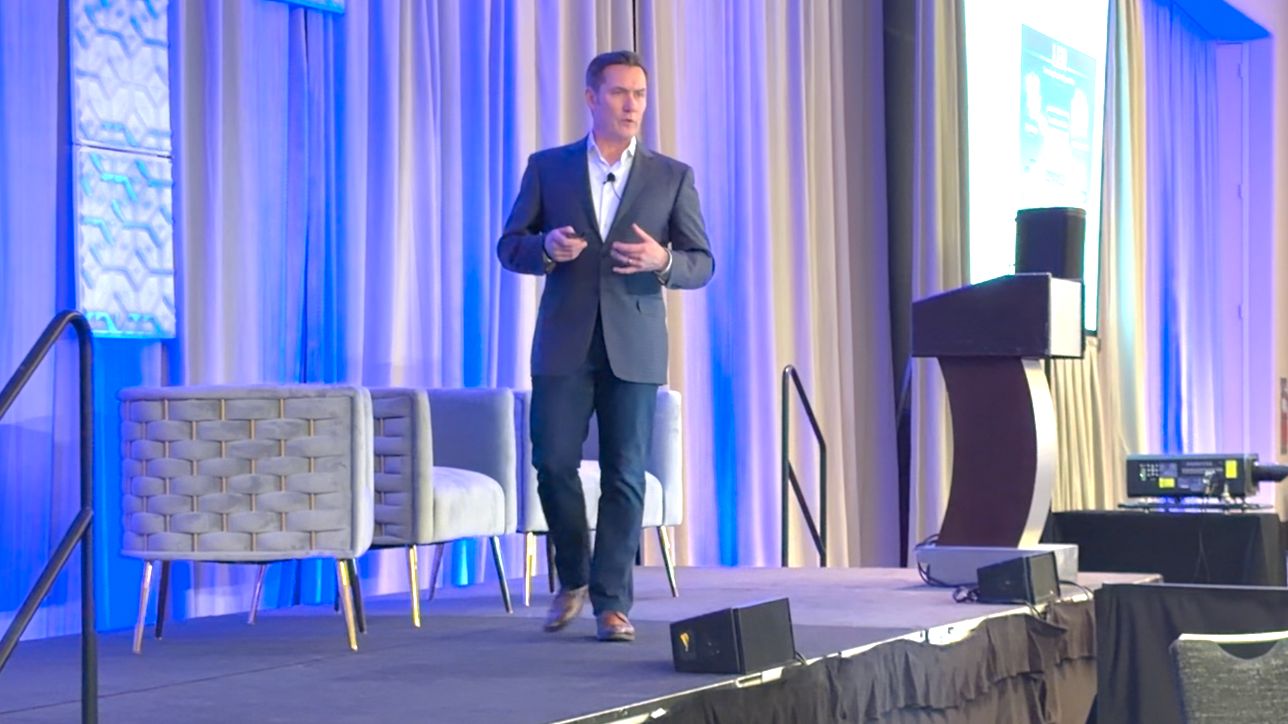
If one message came through loud and clear at 1EdTech’s 2026 Digital Credentials Summit, it was this: the time for talking about digital credentials is over. The foundation is in place, and the ecosystem is ready to advance. Now is the time to put what we’ve learned into action at a global scale.
Each year, the Summit welcomes new voices, and this year was no exception. That growth reflects a broader shift: interest in digital credentials is no longer confined to early adopters. Now, policymakers and funders are explicitly asking for what standards-based digital credentials provide: verifiable evidence of competencies, clearer pathways between education and employment, and systems that enable true learner mobility.
Government Momentum Is Real
The excitement was palpable as we saw global governments calling for skills-based hiring and stronger alignment between education and workforce needs.
The European Union’s microcredential policies require transparent links between credentials and defined learning outcomes. In the United States, Learning and Employment Records and talent marketplaces depend on structured skill definitions, as we heard from Nick Moore, Acting Assistant Secretary, Office of Career, Technical, and Adult Education, US Department of Education (watch his statement here).
In short, governments are asking for interoperable, skills-based systems. And we know, those systems require standards.
Employers Need Trust at Speed
Employers echoed this urgency throughout the Summit. They need faster, more reliable ways to identify qualified candidates in a labor market where skills requirements are constantly evolving.
They emphasized the need to:
- Trust the credential claims
- Understand where learners are in their learning journeys
- Bite-sized achievements that can quickly evolve with the needs of the workforce
Artificial intelligence is accelerating this shift. AI can quickly sort and surface candidates, especially when credentials are machine-readable. However, it also makes it easier for unverified claims to circulate. As automation increases scale, it also increases the need for trusted, standards-based systems.
Meaning Matters: “Keywords Are Not Skills”
Even when outcomes are machine-readable, they must be meaningful. One phrase repeated throughout the Summit, and widely shared afterward, was mentioned by Meena Naik, Senior Director, Education Practice at Jobs for the Future in the opening session: “Keywords are not skills.”
A credential labeled “communications” says little. A credential specifying “Communicating complex data to non-technical audiences,” however, conveys actionable meaning. Precision, structure, and shared definitions are essential if credentials are to function across systems.
We Have a Solid Foundation
Those who have worked in digital credentials over the past decade know: we already have the framework to make this work.
- Open Badges provide verifiable evidence of learning and skill performance: who learned what, and in what context.
- The Comprehensive Learner Record Standard™ (CLR Standard®) brings credentials together into a cohesive, human-readable story.
- The Competencies and Academic Standards Exchange® (CASE®) provides shared meaning, ensuring skills are defined consistently across systems.
Together, these standards enable Learning and Employment Records that are portable, machine-readable, and trusted across institutions and industries. One example of how they can be put into action is the Learning Mobility Framework website, announced at the summit by the National Learning Mobility Collaborative.
1EdTech also released new Build Portals for the Open Badges and CLR standards to help 1EdTech members implement the standards.
While the foundation is strong, there is still work to be done to enable a frictionless education-to-career standards infrastructure. That’s why 1EdTech plans to continue work with Ed-Fi Alliance, HROpen, Credential Engine, W3C and other key technology standards organizations to make it a reality.
From Pilots to Global Scale
Collaboration is key to the future of digital credentials.
The most significant announcement at this year’s Summit was the launch of the CASE Global Ecosystem Initiative, a step toward shared, public infrastructure that connects education and workforce systems worldwide.
The CASE Global Ecosystem will allow states, institutions, industry groups, and international organizations to manage their own competencies and frameworks locally, while participating in a trusted global network that keeps information aligned, discoverable, and interoperable.
This infrastructure lays the groundwork to support skills-based hiring, credit transfer, and lifelong learning at scale.
What Still Needs to Be Done
We’ve also seen success when educational institutions partner with industry to align curriculum and learning outcomes with workforce needs, but again, so far, it's one-off programs and initiatives.
To scale, we must align on shared definitions of skills and competencies. Without common meanings, portability breaks down. The CASE standard provides the structure, but broader adoption and shared governance are essential to make skills truly interoperable across sectors and borders.
As the ecosystem expands globally, we must also balance scale with localization, supporting regional alignment while respecting local contexts.
Moving Forward Together
The 2026 Digital Credentials Summit made one thing clear: the pieces are no longer theoretical. They are operational. Governments are asking. Employers are demanding. Learners are ready.
The era of isolated pilots is ending. The era of coordinated, standards-based global infrastructure is beginning.
When we asked summit attendees what they want to see in the next ten years? They said: Make what exists clearer, more trusted, and easier to adopt.
Now is the time to bring ideas, pilots, and silos together into a unified effort so digital credentials can truly enable learner success and mobility worldwide.
The foundation is built. The momentum is here. It’s time to move.
About the Author
1EdTech CEO Curtiss Barnes has over 30 years of experience in the education industry and expertise across a broad range of enterprise and instructional systems that support education's core missions. He has held roles at universities, technology start-ups, large enterprise businesses, and courseware and publishing companies.
Curtiss holds an MBA from the Wharton School of the University of Pennsylvania and a bachelor’s degree in economics from Clark University.